The term “dongle” has evolved over time, adapting to various technological advancements and uses. Here’s a brief overview of its definition and evolution:
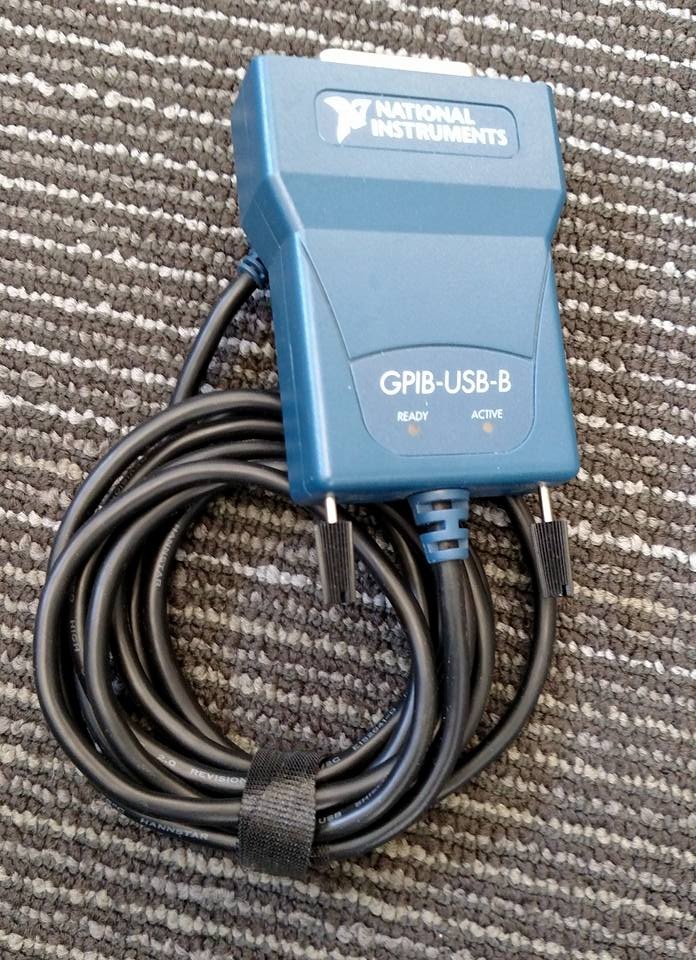
1. Early Usage: Software Copy Protection (1980s)
The term “dongle” originated in the 1980s, referring to a hardware device used to enforce software copy protection. These early dongles were connected to a computer’s parallel or serial port and acted as a physical key to unlock and run software. Without the dongle, the software would not function, thus preventing unauthorized use or copying.
2. Expansion to Hardware Add-Ons (1990s)
As technology progressed, the definition of a dongle expanded to include small devices that provided additional hardware functionality to computers. These dongles were often used to add ports, such as USB or Ethernet, or to enable features like wireless networking or data transfer capabilities.
3. USB Era and Compact Devices (2000s)
With the widespread adoption of USB technology, the form factor of dongles became more compact. During this era, dongles commonly referred to USB devices that provided functionalities like:
- Wireless Connectivity: Wi-Fi, Bluetooth, or cellular modems
- Security Keys: USB sticks for two-factor authentication or secure login
- Peripheral Extensions: Devices to add extra ports, like HDMI or VGA adapters
4. Modern Usage and Broader Applications (2010s-Present)
In recent years, the term “dongle” has been used more broadly to describe any small, plug-in device that adds functionality to a computer or other electronic device. Some common modern examples include:
- Streaming Devices: HDMI dongles like Chromecast or Amazon Fire Stick for streaming media
- USB-C Adapters: Devices that expand the capabilities of USB-C ports on laptops, such as adding Ethernet, HDMI, or additional USB ports
- Security and Authentication: Hardware keys for encryption, secure login, and protection against phishing
Current Understanding and Connotations
Today, the term “dongle” often carries a connotation of being a small, external, and often essential accessory for extending the capabilities of a primary device. While still retaining its roots in software protection and hardware expansion, modern dongles are seen as versatile tools that provide connectivity, functionality, and security.
Conclusion
The definition of a “dongle” has broadened significantly over the years, evolving from a simple software protection device to a wide range of small, portable gadgets that enhance and expand the capabilities of electronic devices. As technology continues to advance, the concept of the dongle will likely continue to adapt, encompassing new forms and functions.
I used the term dongle in a recent blog post. It was hard for me to do, as deep in my heart, I still want the original 1980s definition to hold. I prompted ChatGPT with
Dongle – definition over time.
and the content of this post was returned to me. I have finally used AI to generate a post.
 Glorified Plumbing